

Introduction
Piles, also known as haemorrhoids, are a common anorectal condition that can cause discomfort, itching, swelling and bleeding during bowel movements.
Piles can affect people of different age groups and may become more troublesome when associated with constipation, hard stools, repeated straining or unhealthy bowel habits.
The good news is that appropriate medical evaluation and timely care can help manage symptoms and improve bowel health.
At Charak Ayurvedic Hospital, Kotputli, patients can receive personalised Ayurvedic consultation and care for anorectal conditions including Piles, Fissure, Fistula and Pilonidal Sinus (PNS).
What Are Piles?
Piles are swollen or enlarged blood vessels in the lower rectum or around the anus.
They are generally classified into two main types:
1. Internal Piles
Internal piles develop inside the rectum.
Common symptoms may include:
- Bright-red bleeding during or after bowel movements
- Discomfort during bowel movements
- Prolapse in more advanced cases
- A feeling of incomplete bowel evacuation
2. External Piles
External piles develop underneath the skin around the anus.
They may cause:
- Pain or discomfort
- Itching
- Swelling
- Tenderness
- A lump around the anal area
Symptoms can vary depending on the type and severity of the condition.
Common Symptoms of Piles
Some common signs of piles include:
- Bleeding while passing stool
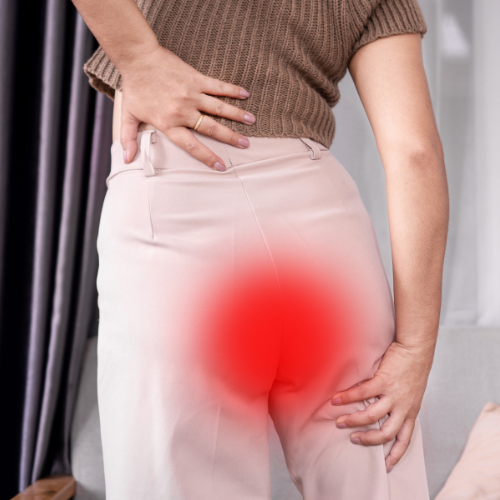
- Pain or discomfort around the anus
- Anal itching
- Swelling around the anus
- Lump or bulge near the anus
- Irritation after bowel movements
- Difficulty passing stool
- Feeling of incomplete bowel evacuation
Important
Rectal bleeding should not automatically be assumed to be caused by piles.
Other medical conditions can also cause bleeding. Persistent, recurrent or unexplained bleeding should be evaluated by a qualified healthcare professional.
What Causes Piles?
Several factors can contribute to the development or worsening of piles.
Common contributing factors include:
- Constipation
- Hard stools
- Repeated straining during bowel movements
- Low-fibre diet
- Prolonged sitting on the toilet
- Sedentary lifestyle
- Heavy lifting
- Pregnancy
- Increasing age
- Irregular bowel habits
One of the most important factors is constipation.
When stools become hard and difficult to pass, repeated straining can put additional pressure on the veins around the anus and rectum.
Piles and Constipation. What Is the Connection?
Constipation and piles are frequently associated with each other.
When a person has constipation:
- Stool may become hard and dry.
- Passing stool can become difficult.
- The person may strain more during bowel movements.
- Increased pressure can aggravate the anorectal area.
- Existing piles may become more uncomfortable.
Therefore, maintaining healthy bowel habits is an important part of piles management.
Helpful habits include:
- Eating adequate dietary fibre
- Drinking sufficient fluids
- Avoiding unnecessary straining
- Staying physically active
- Maintaining regular bowel habits
- Avoiding prolonged sitting on the toilet
Ayurvedic Approach to Piles Treatment
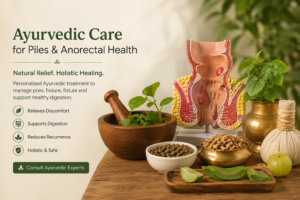
Ayurveda takes a holistic and personalised approach to healthcare.
Instead of focusing only on the symptoms, an Ayurvedic doctor may consider several factors, including:
- Digestive health
- Bowel habits
- Diet
- Lifestyle
- Individual constitution
- Duration of symptoms
- Severity of the condition
- Overall health
At Charak Ayurvedic Hospital, treatment planning is based on the patient’s individual health condition and consultation with an Ayurvedic doctor.
The hospital’s treatment focus includes Anorectal Care, covering:
- Piles
- Fissure
- Fistula
- Pilonidal Sinus (PNS)
What May Be Included in Ayurvedic Piles Care?
Depending on the patient’s condition, the doctor may recommend an appropriate combination of Ayurvedic treatment and lifestyle guidance.
1. Dietary Guidance
Dietary recommendations may focus on supporting healthy digestion and regular bowel movements.
A balanced diet with adequate fibre can help support softer and easier-to-pass stools.
2. Lifestyle Guidance
Patients may be advised to:
- Maintain regular bowel habits
- Avoid excessive straining
- Stay physically active
- Maintain adequate hydration
- Improve daily dietary habits
3. Ayurvedic Medicines
Appropriate Ayurvedic medicines may be recommended according to the patient’s condition.
Do not self-medicate. Ayurvedic medicines should be taken under the guidance of a qualified practitioner.
4. Ayurvedic Therapies
Where appropriate, Ayurvedic therapies may be incorporated into an individual’s treatment plan.
The type and duration of treatment depend on the patient’s condition and should be decided after professional consultation.
How Can You Support Piles Management at Home?
Along with professional care, healthy daily habits can support better bowel health.
Follow these simple habits:
✔ Eat fibre-rich foods
Include suitable fruits, vegetables, whole grains and other fibre sources in your diet.
✔ Drink adequate fluids
Maintain sufficient fluid intake according to your individual health needs.
✔ Avoid excessive straining
Do not force bowel movements.
✔ Don’t sit on the toilet unnecessarily
Avoid spending long periods sitting on the toilet.
✔ Stay physically active
Regular physical activity can support healthy digestion and bowel movements.
✔ Address constipation early
Repeated constipation can contribute to worsening anorectal discomfort.
When Should You Consult a Doctor?
Do not ignore persistent or recurring symptoms.
Consider consulting a healthcare professional if you experience:
- Repeated rectal bleeding
- Persistent anal pain
- Swelling around the anus
- A persistent lump
- Recurring piles
- Difficulty passing stool
- Symptoms that are getting worse
- Symptoms that do not improve with basic lifestyle measures
Seek prompt medical attention if:
- Bleeding is significant
- Pain becomes severe
- You develop fever
- You experience severe abdominal symptoms
- Symptoms appear suddenly or unusually
Proper evaluation is important because rectal bleeding can have causes other than piles.
Piles Treatment in Kotputli
If you are searching for piles treatment in Kotputli, Charak Ayurvedic Hospital provides Ayurvedic consultation and anorectal care.
Charak Hospital provides care for:
- Piles
- Anal Fissure
- Fistula
- Pilonidal Sinus
- Related digestive and bowel concerns
The hospital’s approach focuses on personalised consultation, Ayurvedic treatment and holistic patient care. Its facilities include Ayurvedic consultation, fully equipped Panchakarma rooms, admission facilities and ambulance support.
Hospital Location
Charak Ayurvedic Hospital
NH-48, Near Sanjeevani Hospital,
Garh Colony, Kotputli, Rajasthan – 303108
Contact: 9462536161
Frequently Asked Questions About Piles
1. What are piles?
Piles, also called haemorrhoids, are swollen blood vessels in or around the lower rectum and anus. They can cause symptoms such as bleeding, itching, swelling and discomfort.
2. What are the common symptoms of piles?
Common symptoms include bleeding during bowel movements, anal itching, pain or discomfort, swelling and a lump around the anus.
3. Can constipation cause piles?
Constipation and repeated straining during bowel movements can contribute to increased pressure around the anorectal area and may worsen piles symptoms.
4. Can piles be treated with Ayurveda?
Ayurveda provides personalised approaches for managing piles based on the patient’s symptoms, digestive health, bowel habits and overall condition. Treatment should be decided after consultation with a qualified Ayurvedic doctor.
5. Can piles be treated without surgery?
The appropriate treatment depends on the type, severity and individual condition. Some cases may be managed through conservative or non-surgical approaches, while certain advanced cases may require procedures. A doctor should determine the appropriate treatment.
6. Is rectal bleeding always caused by piles?
No. Rectal bleeding can occur due to several different conditions. Persistent or unexplained bleeding should be properly evaluated rather than automatically being attributed to piles.
7. What should I eat if I have piles?
A balanced, fibre-rich diet and adequate fluid intake can support healthy bowel movements. Individual dietary requirements may vary, so consult a healthcare professional for personalised advice.
8. Where can I get piles treatment in Kotputli?
Charak Ayurvedic Hospital provides Ayurvedic consultation and anorectal care for piles, fissure, fistula and related conditions in Kotputli.
Why Choose Charak Ayurvedic Hospital?
Charak Ayurvedic Hospital focuses on authentic Ayurvedic healthcare with personalised consultation and holistic treatment.
Key features include:
- Qualified Ayurvedic Doctors
- Personalised Consultation
- Dedicated Panchakarma Facilities
- Anorectal Care
- Patient-Focused Treatment
- Admission Facility
- Ayurvedic Treatment Approach
- Ambulance Support
The hospital’s listed Ayurvedic doctors include Dr. Naresh Dhaked and Dr. Pratap Singh Gurjar.
Take the First Step Towards Better Anorectal Health
Persistent piles symptoms should not be ignored.
If you are experiencing piles, bleeding, constipation, anal discomfort or related anorectal concerns, consult a qualified doctor for proper evaluation and personalised treatment guidance.
Book Your Ayurvedic Consultation
Charak Ayurvedic Hospital, Kotputli
📍 NH-48, Near Sanjeevani Hospital, Garh Colony, Kotputli, Rajasthan – 303108
Book Your Appointment Today
Call Now for Consultation | Visit Charak Ayurvedic Hospital, Kotputli
“Piles can cause bleeding, itching, swelling and discomfort. Learn about piles symptoms, causes, constipation and the Ayurvedic approach to piles treatment at Charak Ayurvedic Hospital, Kotputli.”